Due to the growing number of electric vehicles among its clientele, the hotel recognised the benefits of installing EV chargers in its car park. The implementation process involved lengthy and complex administrative procedures, and the customer lacked the necessary expertise, personnel, or time to manage them. It was therefore looking for a contractor to provide a full end-to-end service. A key requirement was that construction works caused minimal disturbance to guests and the site and were completed in the shortest possible time.
Turnkey EV charger deployment
at the hotel car park
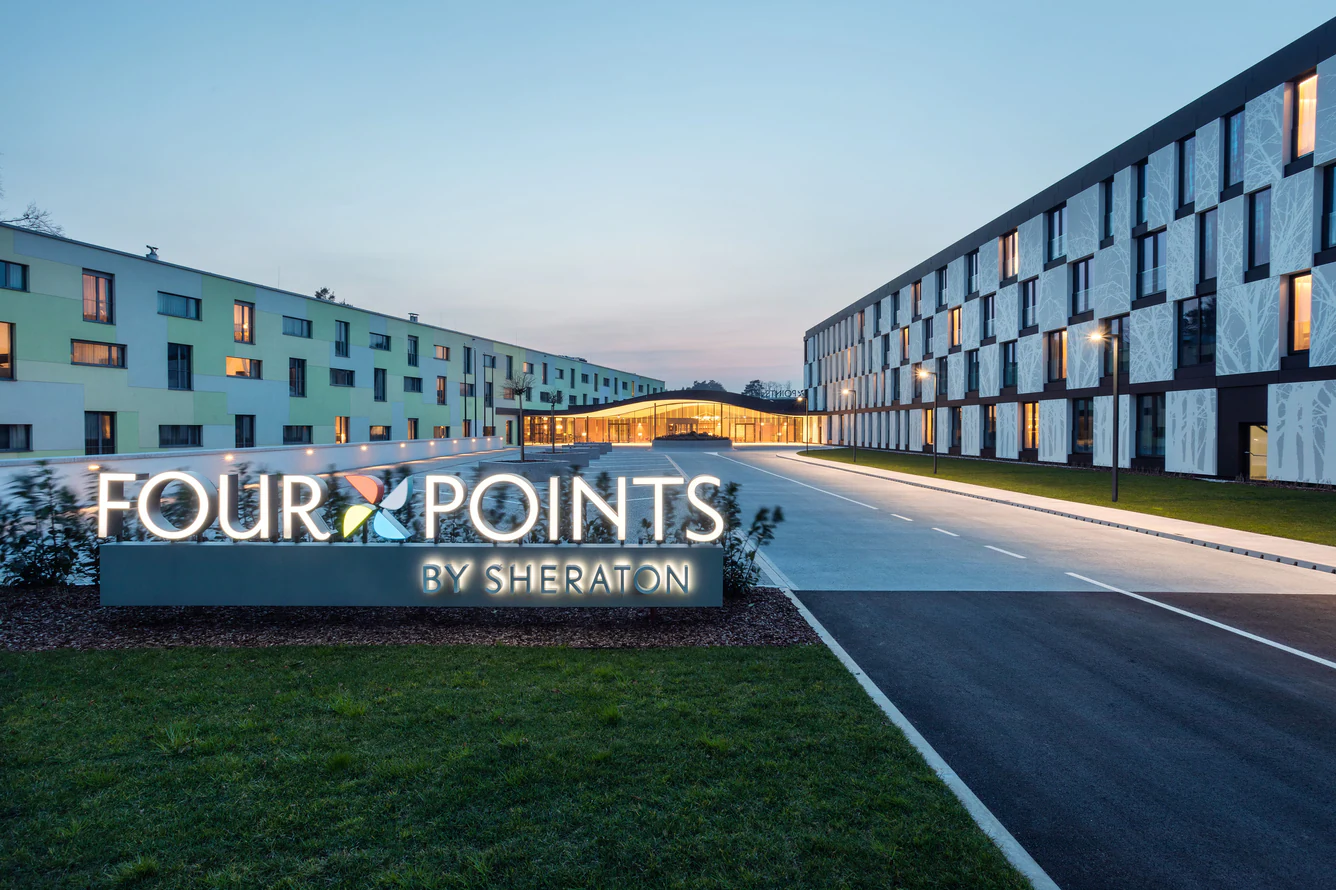
In an era of rapidly growing e-mobility, hotels and other guest-oriented venues are expected to offer convenient EV charging. The integration process can seem daunting, as it involves permits, utility approvals, technical design, construction works, and coordination of multiple contractors.
INEA delivers this complete solution: from tender preparation and submission, through electrical and civil design, administrative procedures, and coordination with authorities, to construction and final commissioning. This approach streamlines the process, ensures transparent reporting and control, minimises downtime or prolonged disturbance, and leaves the hotel with enhanced guest services and a stronger sustainability profile.
Location overview
Industry:
Hospitality sector, serving business and leisure travellers
Service portfolio:
Venue with modern accommodation, meeting and event facilities, on-site dining, wellness services, and a range of guest amenities designed for short and extended stays.
Location:
Ljubljana, capital of Slovenia
Impact
Expanded facilities and guest services
- Turnkey engineering and administration
- Transparent reporting and control
- Minimal operational disturbance

The completed EV charging infrastructure expanded the hotel’s services, enabling it to support guests with electric vehicles and improving the value of its parking facilities.
Challenge
Solution
Single point
of responsibility
One team is accountable for engineering, administration, construction, and commissioning, ensuring streamlined project execution without handover gaps, interruptions, or delays.
Stakeholder
coordination
Direct coordination with authorities, utilities, and land-rights holders throughout the project ensures full compliance with local and national regulations and avoids administrative delays.
Coordinated electrical
and civil design
A unified design package ensures a safe, buildable, and compliant installation, maintaining technical consistency across electrical and civil works and reducing the risk of rework or regulatory non-conformities.
The INEA engineering team carried out the project in four phases: electrical and civil design, administrative procedure, construction works, and commissioning of the EV chargers.
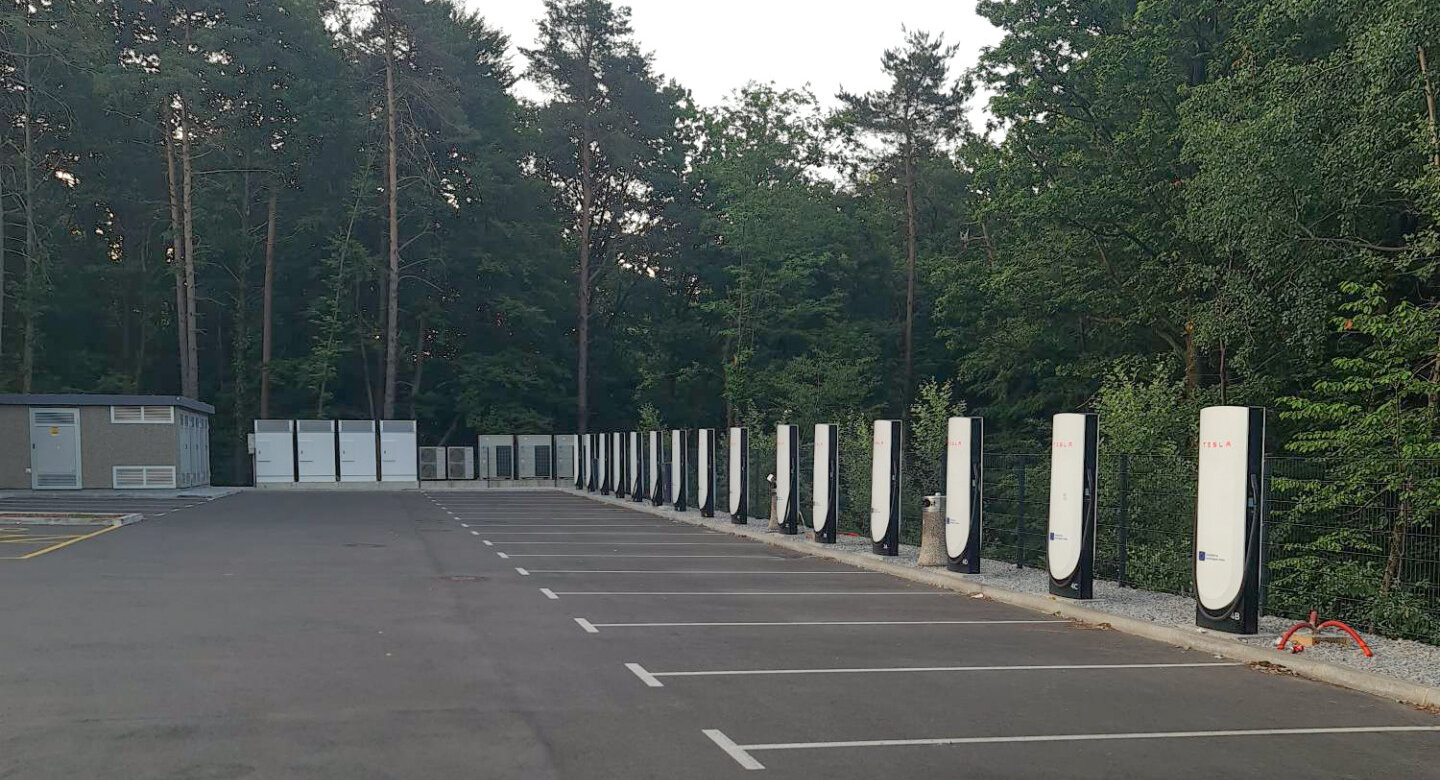
Electrical and civil design
Our electrical engineers developed the complete electrical design for the EV charging system. This included load and diversity calculations, verification of the available grid capacity, and coordination with the distribution system operator because an increase in connection power was required. We defined the layout of distribution boards, protection devices, and metering, performed short-circuit and selectivity studies, and specified protection settings. Cable routes and cable sizing were engineered based on current-carrying capacity, voltage drop, and installation conditions, together with earthing and bonding, surge protection, and functional safety requirements. The design also covered the interface with the existing main switchboard, EV charger control and communication wiring, and all necessary safety clearances and labelling.
The civil design covered the architectural layout, construction planning, and the geodetic plan. It included assessment of existing ground conditions and soil bearing capacity, routing of trenches and ducts for power and communication cables, and the design of foundations or plinths for chargers, distribution boards, and any supporting structures. Drainage and surface reinstatement were planned so that the works would not create standing water, uneven surfaces, or new trip hazards. Traffic and pedestrian flows in the car park were taken into account to define safe access, parking, and protection of the equipment against vehicle impact. For the architectural design, we collaborated with an architect, combining their design expertise with our field experience to create an optimal, buildable solution.
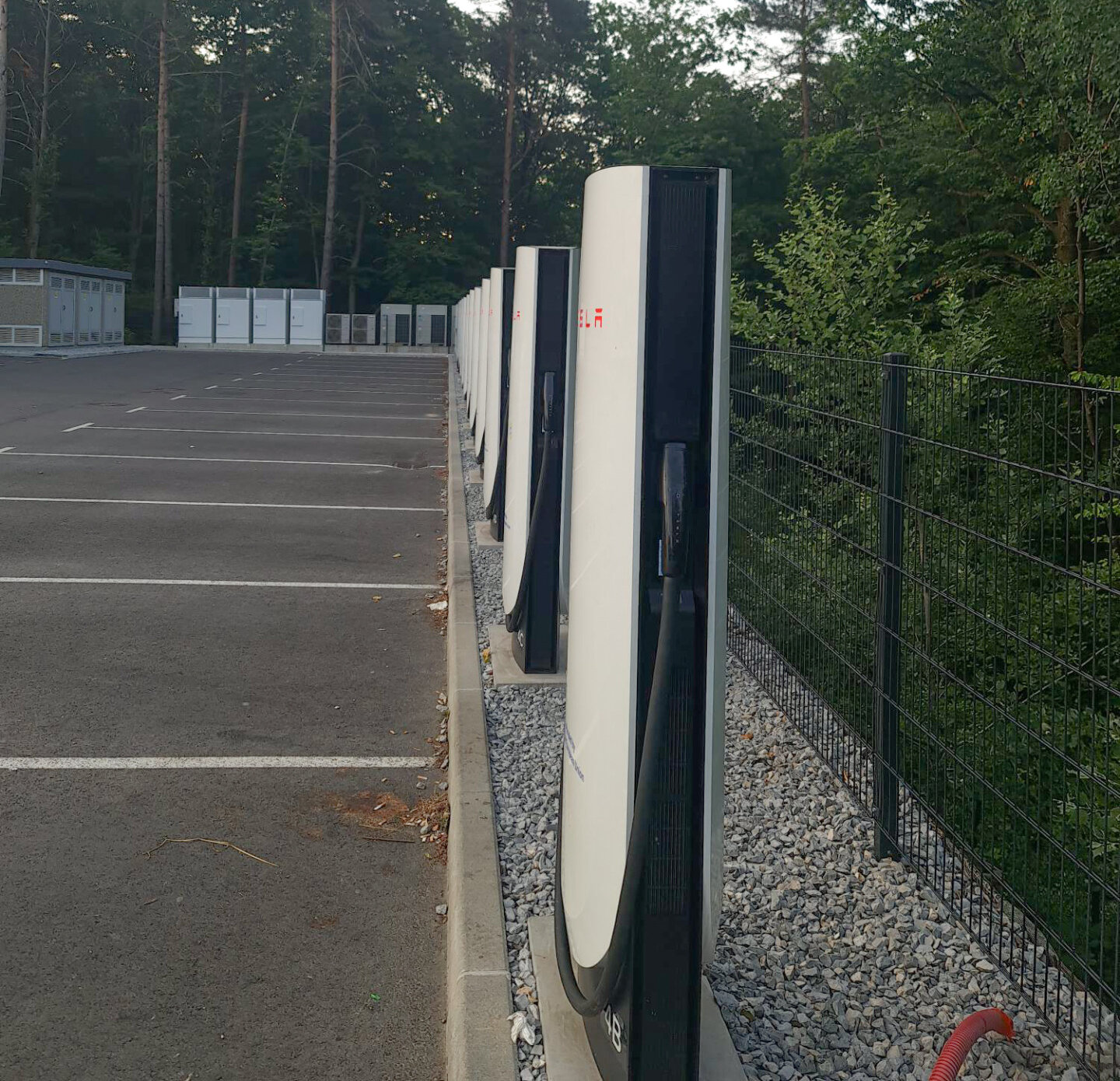
Administrative procedure
Leading the administrative procedure was the most time-consuming phase, because it involved multiple authorities. It was important to ensure that the project complied with the applicable spatial plan of the location, so that construction would be permitted.
The process began by applying for a construction permit. This involved coordination with the electricity provider, the municipal administration, the water and sewerage authority, the gas-pipeline operator, and the highway operator as the site was adjacent to a highway. Our team also managed easement permits, which covered both the lease of the land and the construction rights for the designated area.
Once all relevant parties had provided their opinions or consents, we submitted the full construction-permit dossier.
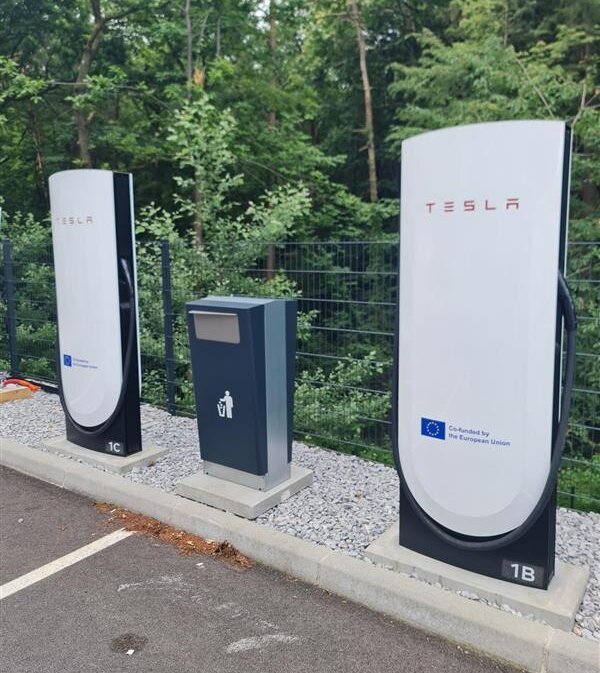
Construction works
Once the construction permit was obtained and the municipality was notified, the construction works began. We fenced off the construction site in accordance with applicable safety regulations. After the construction works were completed, the electrical installation works were carried out in line with the approved design.
Our team successfully minimised disturbance to hotel guests and staff. When the works were completed, we cleaned the site and restored the surroundings to their original condition, including grassed areas.
Commissioning
After the construction works were completed, we commissioned the EV chargers. This included a full on-site inspection carried out by an authorised inspector, who verified the installation, electrical connections, and compliance with the approved design. Once the inspection was approved, the local electricity distributor connected the chargers to the grid.

Tender application support
We advise the customer on the appropriate type of chargers and support them in preparing and submitting the tender for public funding.

EV charging user interface
We can integrate third-party EV chargers and user interfaces, or use the INEA inGenious UI, which allows the customer to set the desired charging rates.

Energy flexibility study
We analyse the current energy consumption profile and advise the customer on cost-optimisation opportunities using energy flexibility management.
Impact
The customer was able to delegate the entire process—from the tender stage through all design work, administrative procedures, construction, and commissioning—to a single team. Because they did not need to coordinate individual authorities or manage multiple contractors, the project progressed without delays and was completed within the agreed timeline. Daily hotel operations continued uninterrupted, and there was no disturbance to guests, staff, or local residents.
All works were executed in full compliance with local and national regulations. The use of a unified design and execution team ensured technical consistency across electrical and civil works, reducing the risk of rework or administrative non-conformities.
Transparent communication with the hotel’s responsible staff provided continuous visibility of progress, scope, and budget.
The completed EV charging infrastructure expanded the hotel’s services, enabling it to support guests with electric vehicles and improving the value of its parking facilities. The installation also strengthened the hotel’s sustainability profile, supporting national goals for increased e-mobility adoption and positioning the site for future upgrades.
Turnkey engineering and administration
Delivery of design, permits, approvals, construction, and commissioning.
Transparent reporting and control
Regular reports gave clear insight into status, scope, and costs.
Expanded facilities and guest services
EV charging upgraded services and supported e-mobility goals.