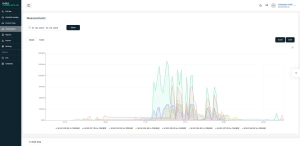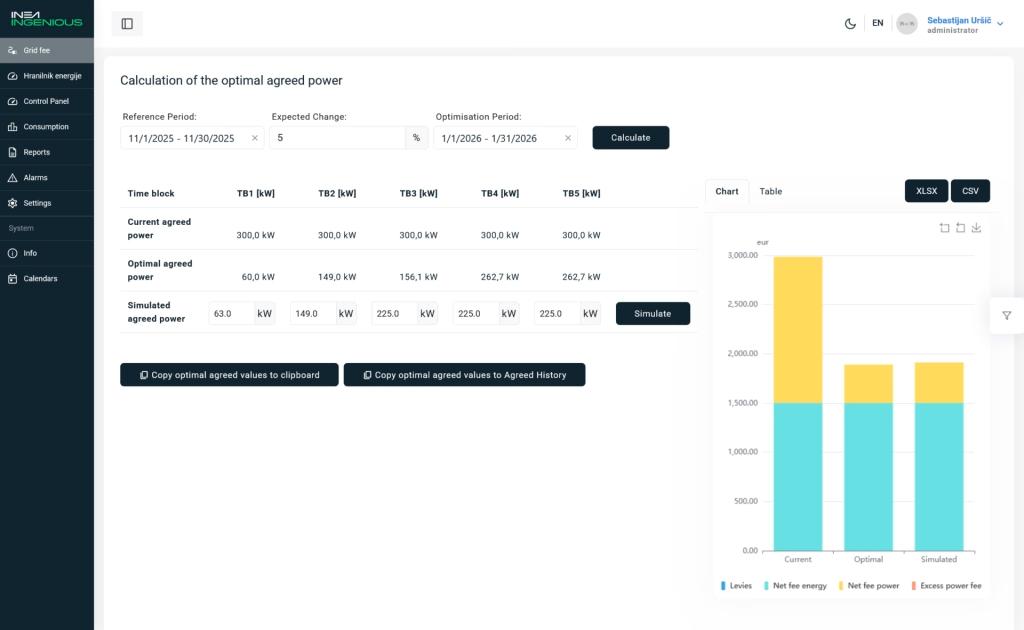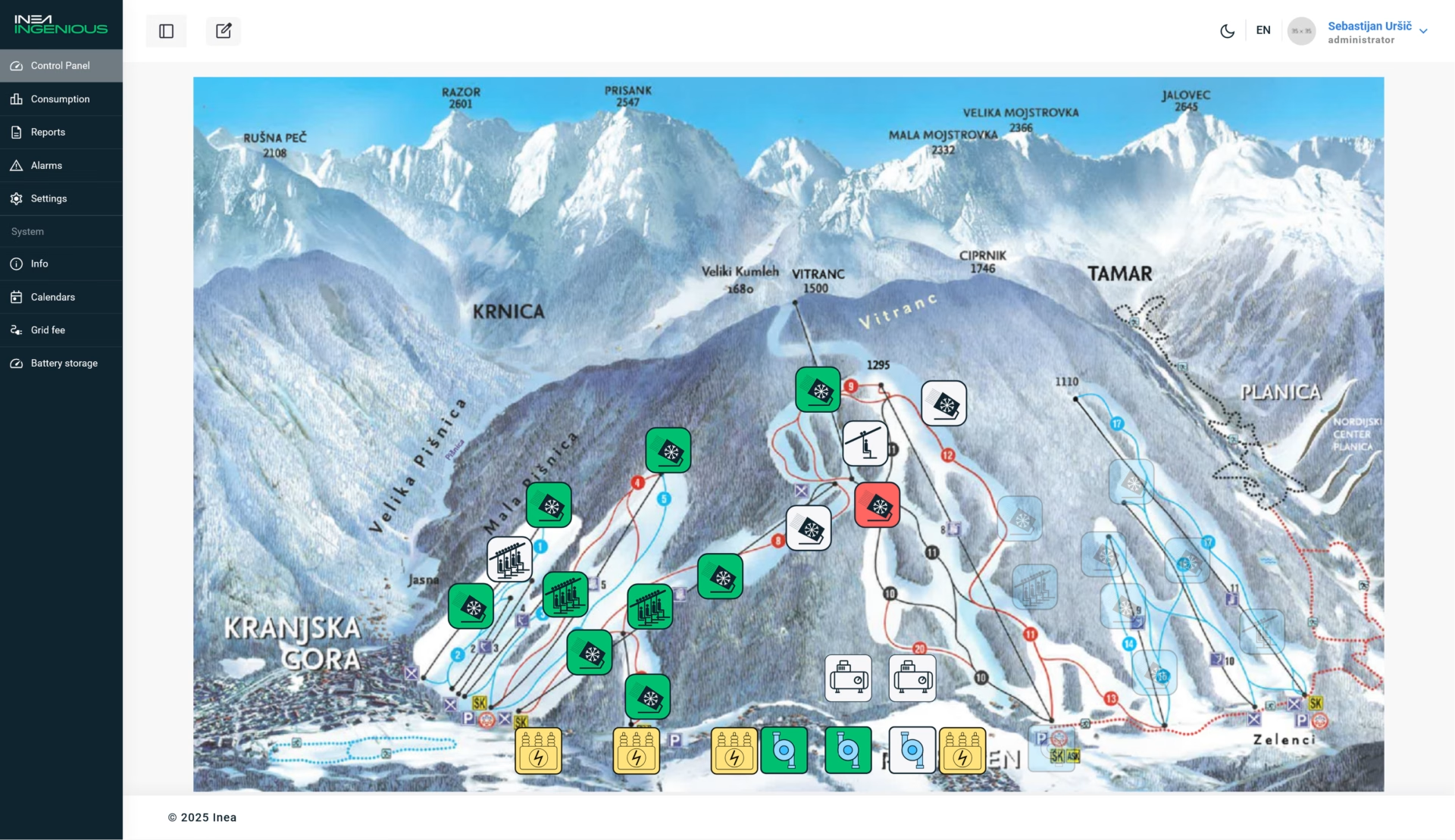

RTC Žičnice operates a dispersed ski complex with 12 consumption points, where the highest individual connection power is 3 MW, and the total amounts to approximately 5 MW. At the start of the ski season, consumption and peaks rise sharply due to the operation of ski lifts and the snowmaking system. In the summer, the ski area is inactive and consumption drops to almost zero. Because of this strong seasonality, the company pays high network charges even outside the winter season, since they are linked to contracted power. If the user does not adjust it manually, the DSO automatically recalculates it based on the three highest peaks of the entire year, applied equally.
In addition to seasonal operation, there is also a lack of energy planning. Lift operation follows a predictable schedule, whereas snowmaking is activated as needed, without considering energy costs. Peaks caused by simultaneous operation of snowmaking and ski lifts represent as much as 50% of total demand, which raises the network charges.
The entire ski infrastructure is so energy-intensive that simultaneous startup of all equipment poses an overload risk for the electrical grid and a potential power outage in the wider area.