Selecting an MES platform is not a feature checklist exercise. It is a set of trade-offs between cost, scope, scalability, integration depth, and long-term operational ownership.
In this blog, we look at three common MES approaches — small-scale platforms, leading global platforms, and internally developed systems — and how each can fit different manufacturing contexts.
Small-scale MES platforms
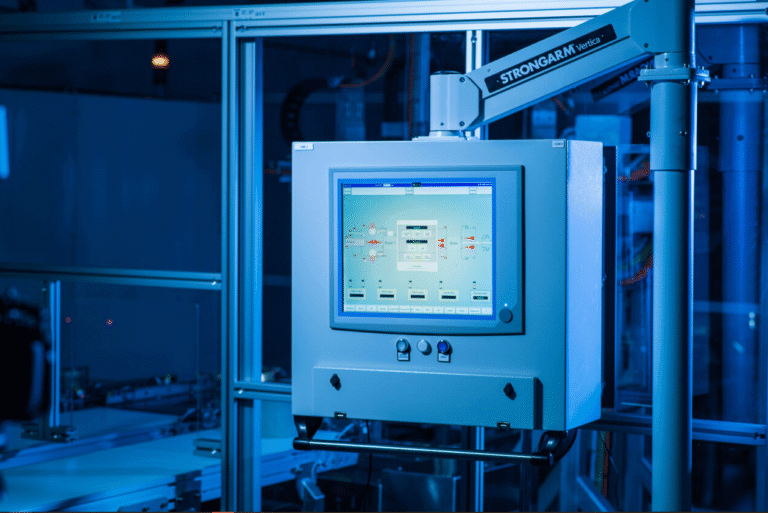
Small-scale MES platforms prioritise speed, flexibility, and lower upfront cost. They are typically quicker to deploy and easier to adapt to specific shop-floor needs, especially for a single line or plant. Direct access to the vendor often enables fast adjustments and pragmatic solutions.
The limitations appear as complexity grows. These platforms tend to struggle with multi-site scalability, deep integration with ERP, SCADA, or IIoT ecosystems, and advanced MES functions. There is also a dependency risk if the vendor changes strategy or exits the market.
This category fits best where cost sensitivity and rapid deployment matter more than long-term scale, such as single-site small or medium operations, or pilot implementations.
Leading global MES platforms
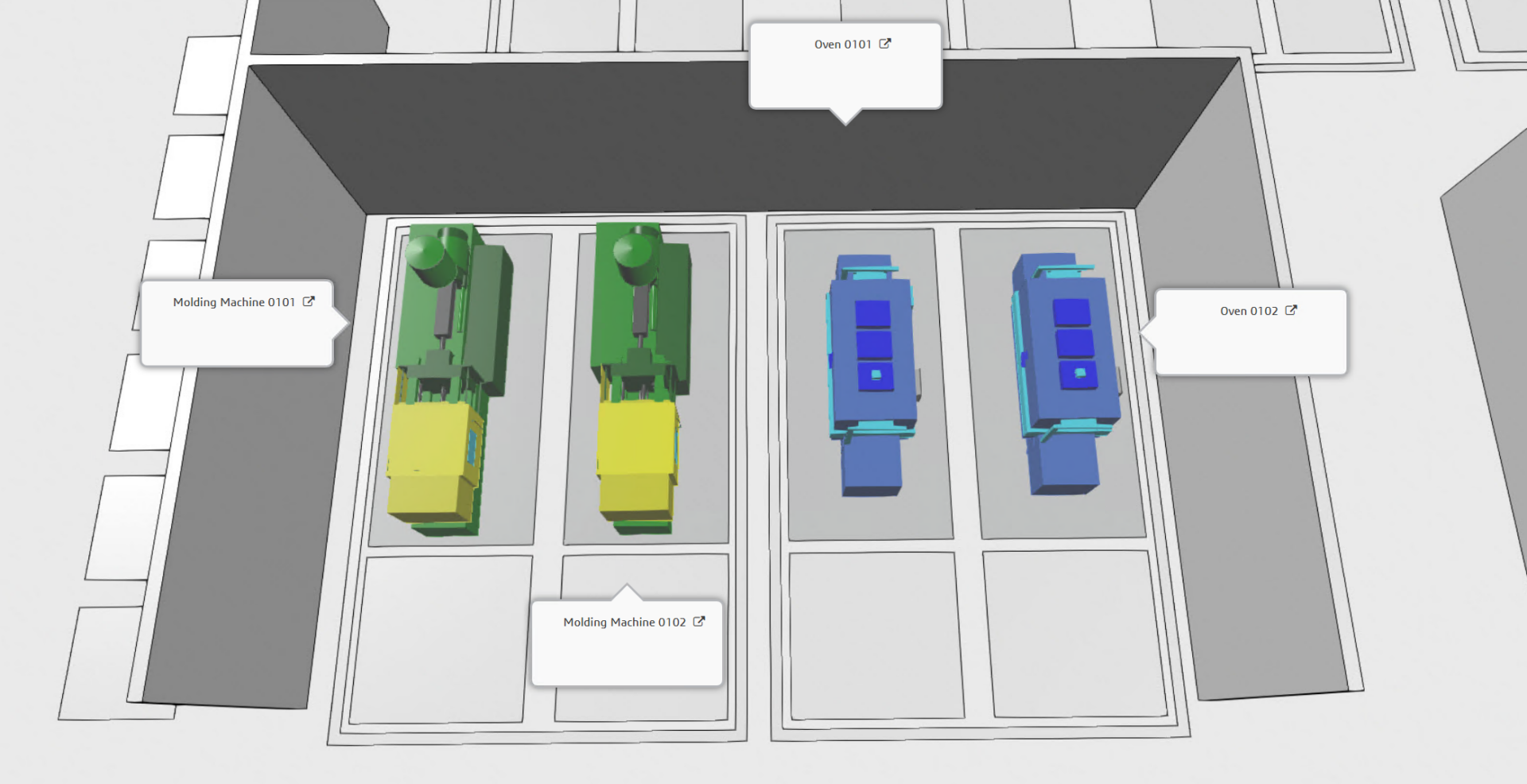
Leading MES platforms offer broad functional coverage, industry-specific templates, and standardised integration with ERP, PLM, SCADA, and IIoT systems. They scale well across plants and regions and provide strong regulatory support, backed by long-term vendor roadmaps and certified integrators.
The trade-off is complexity. Licensing costs are higher, deployments take longer and adapting the system to niche or highly specific processes can be challenging. These platforms often require dedicated IT/OT resources to operate and maintain effectively.
They are best suited for multi-site operations, complex or regulated environments, and organisations that prioritise long-term stability, standardisation, and vendor support.
Read more about leading MES platforms, such as Siemens, AVEVA, and Dassault Systèmes.
Internally developed MES solutions
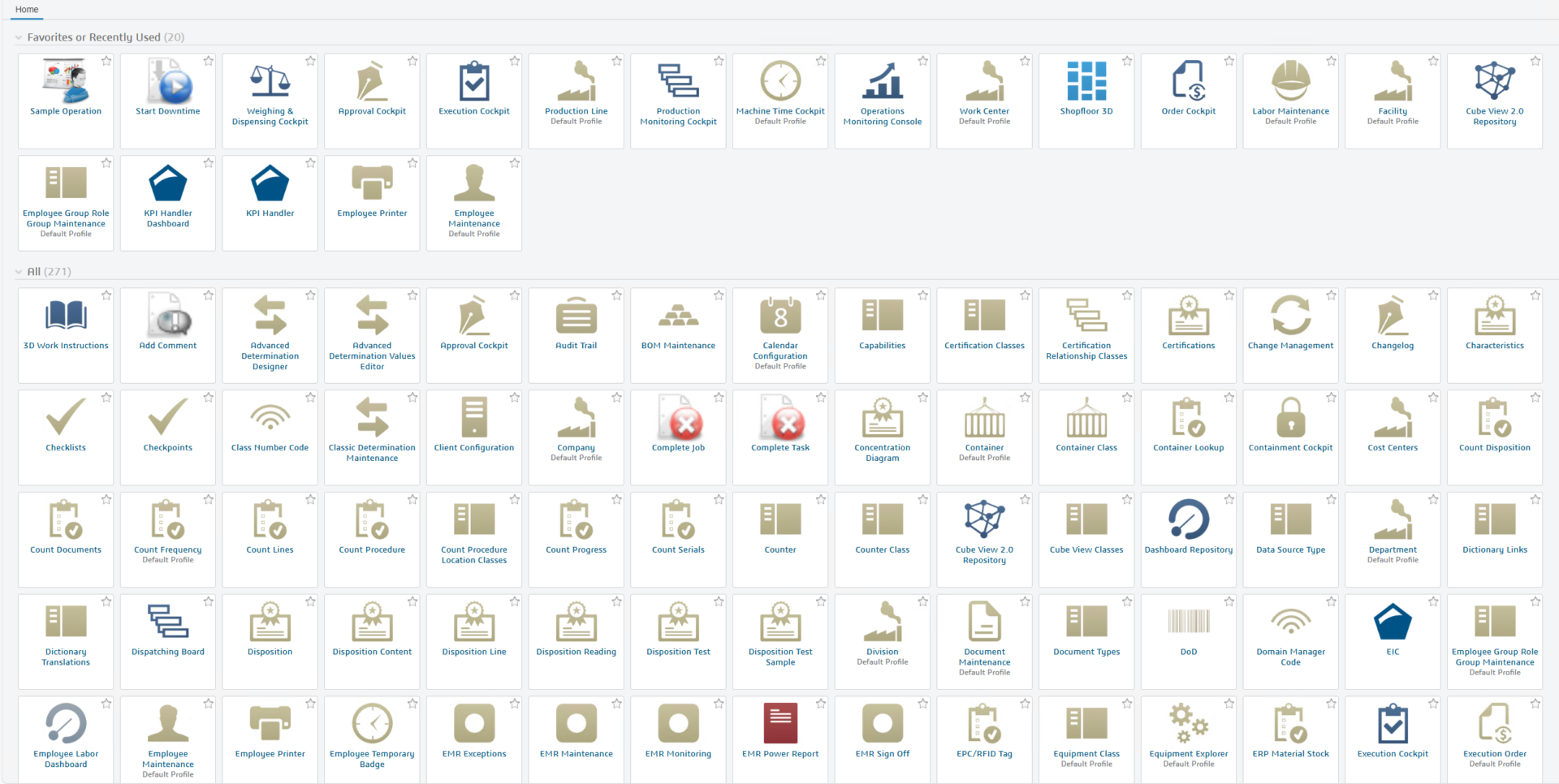
Internally built MES systems are fully tailored to a company’s processes, equipment, and reporting needs. They offer full control over features and data, avoid vendor lock-in, and can become a genuine competitive advantage when processes are highly differentiated.
That flexibility comes with significant responsibility. Development and maintenance costs are high, scaling across sites is difficult, and the system’s longevity depends on internal expertise. As standards and technologies evolve, the risk of obsolescence increases if ongoing investment is not sustained.
This approach is suitable when production processes are truly unique, internal IT/OT capabilities are strong, and there is a clear commitment to long-term development and support.
A practical takeaway
No MES category is inherently “better”. The right choice depends on automation level, production type, company size, regulatory exposure, and the organisation’s ability to operate and evolve the system over time.
Platform selection, however, is only the starting point.
MES delivers its full value when it is treated as part of the operating model, not just software. That requires expert integration. An experienced integrator analyses workflows, data flows, and reporting needs, then aligns the platform to real shop-floor behaviour. Machines, manual stations, quality checks, traceability, and reporting are configured into one coordinated execution environment.
This is also what makes MES sustainable. When integration reflects the way work is actually done — not how it appears on a diagram — operators adopt the system more easily, production becomes more predictable, and decisions are grounded in reliable data. The result is a tailored, scalable MES that grows with the business rather than constraining it.
If you have an underperforming MES that you’re finding hard to justify, or are just starting to connect manufacturing operations, read our whitepaper Why MES adaptation matters in real-time manufacturing.